 |
| Clovis Point |
Technological
Innovations revolutionized the lifestyles and identities of Pre-Columbian
Societies. For example, the invention of
Clovis Points allowed people with this technology to hunt efficiently and
Clovis technology quickly spread throughout the US. The cultivation of Maize revolutionized
American farming and ensured that Native Americans did not go hungry during
cold winters – especially because they created varieties that could grow in any
environment. Lastly, the creation of
irrigation systems and aqueducts allowed Native peoples to settle and to create
large cities. Some examples of agricultural innovations and the major cities that benefited are: the aqueducts in Tenochtitlan in the Aztec Empire; the irrigation systems of Macchu Pichu in the Incan empire; and the irrigation systems in the farmlands surrounding Cahokia in the Mississippian civilizations. Instead of having to roam
around and forage, Pre-Columbian societies were able to sustain large civilizations with
cultivated crops. We still benefit from innovations like the
cultivation of maize (corn) and intricate irrigation systems today. Agricultural
innovations revolutionized Pre-Columbian societies by allowing them to create
large sedentary civilizations .
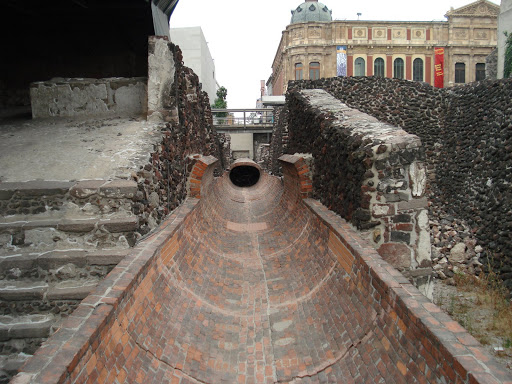 |
| Aqueduct in Tenochtitlan |

No comments:
Post a Comment